

Search visibility in 2026 is not the same game it was even a year ago. Search engines are now deeply integrated with generative AI assistants, structured data understanding, and real-world user experience signals.
Traditional SEO tactics are still important, but modern search visibility is equally about being AI-friendly, user-centric, and technically precise. This blog delivers 9 research-backed SEO tips that will materially improve search visibility, not those advice you’ve seen a hundred times.
If your goal is to boost search visibility in a way that actually improves traffic and conversions, you must embrace the new realities of search ranking logic: semantic understanding, structured data, AI answer surfaces, and real user metrics. These principles are what modern SEO services for businesses are built around.

These research-backed SEO tips are designed to improve search visibility, increase qualified traffic, and help your content compete where real clicks actually happen:
1. Optimize for AI and Generative Answer Engines
2. Build Topic Entities Instead of Chains of Keywords
3. Make Your Site AI-Indexable with Structured Data
4. Prioritize Core Web Vitals and Real-User Performance
5. Rework for Credibility Signals (E-E-A-T)
6. Use Internal Linking as a Semantic Signal
7. Defend and Grow High-Quality Backlinks
8. Optimize for Multimodal and Visual Search
9. Treat SEO as a Measurable Experiment
1. Optimize for AI and Generative Answer Engines
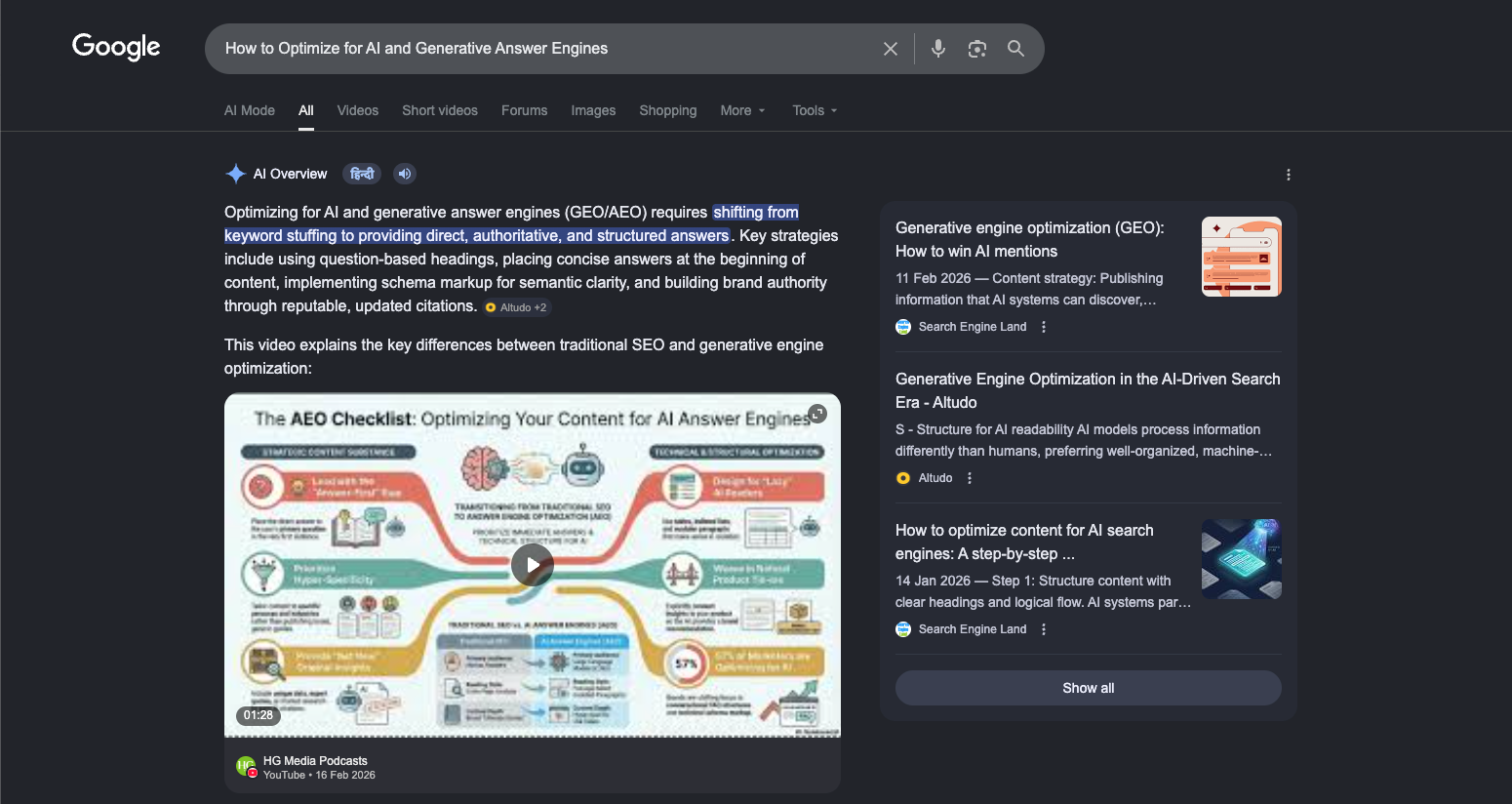
Search has changed. When someone types a query today, AI assistants and generative engines may answer instantly in a conversational box, chat UI, or voice interface. Your content must be structured to feed those outputs.
To do this:
- Present direct, concise answers (typically 40–120 words) early in your content.
- Format these answers as human-readable paragraphs with clear context, not bullet dumps.
- Include explicit questions and answers near the top of pages to improve your chances of being cited by AI systems and featured snippets.
This tactic helps your content get surfaced in both traditional search and AI-driven answer layers, which significantly boosts search visibility beyond standard rankings.
2. Build Topic Entities Instead of Chains of Keywords
Modern search engines understand content through semantic relationships and entity graphs, not isolated keywords. In practice, this means you must think in themes and topics, not single keywords.
To implement semantic optimization:
- Create pillar content that covers a broad topic meaningfully and links to tightly related sub-topics.
- Support your core topics with detailed educational assets, case studies, or practical resources, such as a clear storytelling framework, that add depth and demonstrate real expertise.
- Use terms that are conceptually related and support context (for example, “search intent analysis” alongside “query understanding”).
- Consistently use natural language and clear subject relationships so that AI and search engines understand the entity network you’re building.
This content architecture helps search systems recognize your content as authoritative on a subject, which improves search visibility across many related queries.
3. Make Your Site AI-Indexable with Structured Data
Structured data enhances search results with rich snippets. It gives search engines explicit context about your content such as what it is, what it does, and how it should be understood. This is particularly important for AI models that rely on structured cues to answer questions.
To apply structured data:
- Implement JSON-LD schema for key elements like articles, FAQs, products, events, and reviews.
- Include structured metadata for dates, authors, attributes, and resolved facts so systems can access precise signals.
- Regularly validate your markup using testing tools to prevent errors.
Rich structured data increases your chances of earning featured snippets, rich results, and AI-generated answers, all of which drive visibility.
4. Prioritize Core Web Vitals and Real-User Performance

Technical SEO is not just about crawlability anymore. Google and other engines now evaluate sites based on real user experience metrics under the umbrella of Core Web Vitals. These signals reflect how fast pages load, how stable they are visually, and how quickly users can interact.
To optimize performance:
- Monitor real user metrics regularly with tools like Chrome UX Report and Web Vitals tracking.
- Optimize images, defer unused JavaScript, and minimize layout shifts to improve LCP (Largest Contentful Paint), INP (Interaction to Next Paint), and CLS (Cumulative Layout Shift).
- Reduce server response times by upgrading hosting and using caching wherever possible.
Sites with strong page experience metrics not only rank higher, they also keep users engaged longer, which further boosts search visibility and conversions.
5. Rework for Credibility Signals (E-E-A-T)
Experts, Experience, Authoritativeness, and Trustworthiness are no longer just few words and they never will be. They have been and will be core parts of how search systems evaluate content quality. For search engines and AI to pick your content as a reliable answer, you must signal credibility everywhere.
To build credibility:
- Include author bios with real qualifications and expertise relevant to the topic.
- Strengthen topical authority by internally linking to detailed, educational resources, such as a comprehensive On-page SEO guide, that support your claims and provide deeper context for readers.
- Use in-line citations and links to reputable external sources when presenting claims or data.
- Update your content regularly and display update dates prominently to reflect freshness.
These steps help search engines value your pages as trustworthy, which directly improves search visibility and protects against content downgrades.
6. Use Internal Linking as a Semantic Signal
Internal linking used to help crawl bots find pages. Today it also reinforces semantic relationships within your content. If done well, internal linking strengthens your topical authority and distributes ranking value efficiently.
To optimize internal link structure:
- Use descriptive anchors that convey context rather than vague text like “click here.”
- Link from broad pillar content to specific sub-topics, and from sub-topics back to pillar pages, creating a content ecosystem.
- Avoid excessive linking that dilutes value; quality and relevance matter more than volume.
A thoughtfully designed internal link network can significantly expand your reach in search results.
7. Defend and Grow High-Quality Backlinks
Backlinks remain powerful ranking signals, but quantity alone no longer helps. Search engines have grown better at ignoring spammy links and elevating high-quality, relevant referral traffic instead.
To build authoritative linking:
- Focus on earning natural links through data-backed insights, original research, and unique tools that others want to reference.
- Monitor your backlink profile and remove or disavow toxic or irrelevant links that harm your domain authority.
- Target industry-relevant placements where context aligns with your theme.
High-quality backlinks are still among the strongest ways to boost search visibility and establish long-term topical authority.
8. Optimize for Multimodal and Visual Search
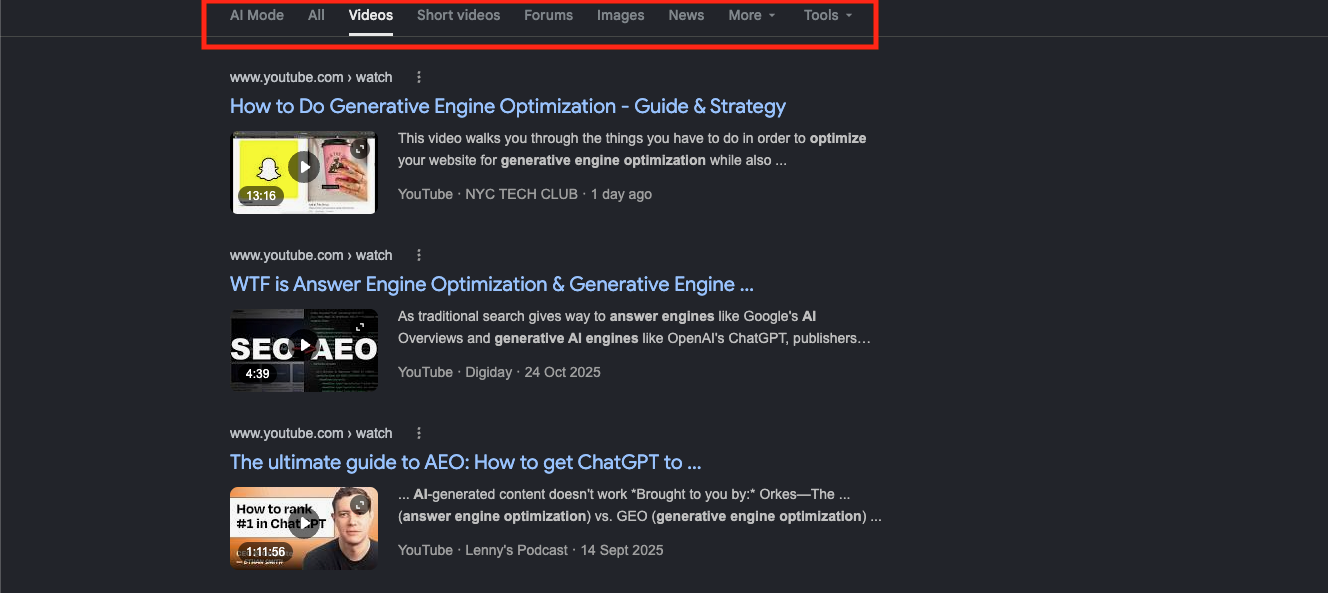
Search is increasingly multimodal. Users expect images, video, and visual references to be indexed and served intelligently alongside text. This trend is especially relevant if your content includes product visuals, tutorials, or diagrams.
To capture visual search opportunity:
- Use descriptive alt text, clear captions, and optimized image filenames that include key entities, not just keywords.
- Host short, indexed videos with structured data markup so search engines understand what the content includes.
- Provide image sitemaps to ensure comprehensive indexing.
Simple Rule: Visual assets are core to your overall visibility strategy.
9. Treat SEO as a Measurable Experiment
SEO is not a one-time checklist or a set-and-forget process because search algorithms, user behavior, and AI systems evolve continuously throughout the year. If you rely on outdated best practices or gut feelings, your rankings will slowly decay while competitors who test and adapt pull ahead.The only way to stay ahead is to run controlled tests that link SEO efforts directly to business outcomes, as outlined in Google’s Helpful Content System documentation
To operationalize experimentation:
- Track not just rankings, but conversion metrics, dwell time, scroll depth, and engagement rates for every change.
- Maintain a log of experiments with hypotheses, methodology, results, and insights.
- Iterate based on data, not intuition or outdated rules.
When you approach SEO as a measurable discipline rather than guesswork, you stop chasing rankings and start building predictable, compounding visibility gains that directly support business growth.
Let Idea Fueled Turn Your SEO Into an Actual Work
Most teams keep publishing content and hoping rankings move. They rarely do, because modern SEO is a system, not a set of random fixes.
At Idea Fueled, our SEO services for businesses focus on what actually improves search visibility, from technical foundations to AI-ready content and measurable growth, so your traffic finally translates into real customers.
Conclusion
Search in 2026 rewards websites that combine strong technical performance, semantic relevance, and AI-friendly content rather than outdated SEO shortcuts. By applying these research-backed SEO tips, you can consistently improve search visibility, attract qualified traffic, and stay discoverable across both traditional results and AI-generated answers.
Businesses that treat SEO as an ongoing, measurable system will continue to boost search visibility, while those relying on guesswork will fall behind. If the process feels complex, strategic SEO services for businesses can help turn these tactics into predictable growth.
Frequently Asked Questions (FAQs)
1. What are the most effective SEO tips to improve search visibility in 2026?
The most effective SEO tips focus on technical performance, semantic content structure, structured data, AI-friendly formatting, and strong credibility signals rather than simple keyword placement. Websites that combine speed, authority, and clear context consistently improve search visibility across both traditional rankings and AI-generated results.
2. Why is my website not ranking even after publishing regular content?
Publishing content alone is not enough because search engines evaluate quality, relevance, internal linking, and user experience. Without strong topical authority, fast performance, and proper technical foundations, your pages may not rank even if you post frequently.
3. Does structured data really help boost search visibility?
Yes, structured data helps search engines understand your content clearly and can unlock rich results like FAQs, reviews, and featured snippets. These enhanced listings often increase click-through rates and improve overall visibility without needing higher rankings.
4. How important are Core Web Vitals for SEO?
Core Web Vitals measure real user experience, including loading speed, interactivity, and visual stability. Pages that meet these benchmarks tend to rank better, reduce bounce rates, and convert more visitors, which directly supports long-term SEO performance.
5. Are backlinks still important for SEO in 2026?
Backlinks remain one of the strongest authority signals, but quality matters more than quantity. Links from relevant and trusted websites help boost search visibility, while spammy links can harm rankings.
6. What is the difference between traditional SEO and AI or generative search optimization?
Traditional SEO focuses on ranking pages in search results, while generative optimization focuses on getting your content cited inside AI answers and summaries. Modern visibility requires both because users now discover content through rankings and AI responses.
7. Should businesses hire professional SEO services or manage SEO in-house?
Basic updates can be handled internally, but advanced SEO requires technical expertise, structured strategy, and continuous testing. Professional SEO services for businesses help implement proven systems faster and avoid costly trial and error.